
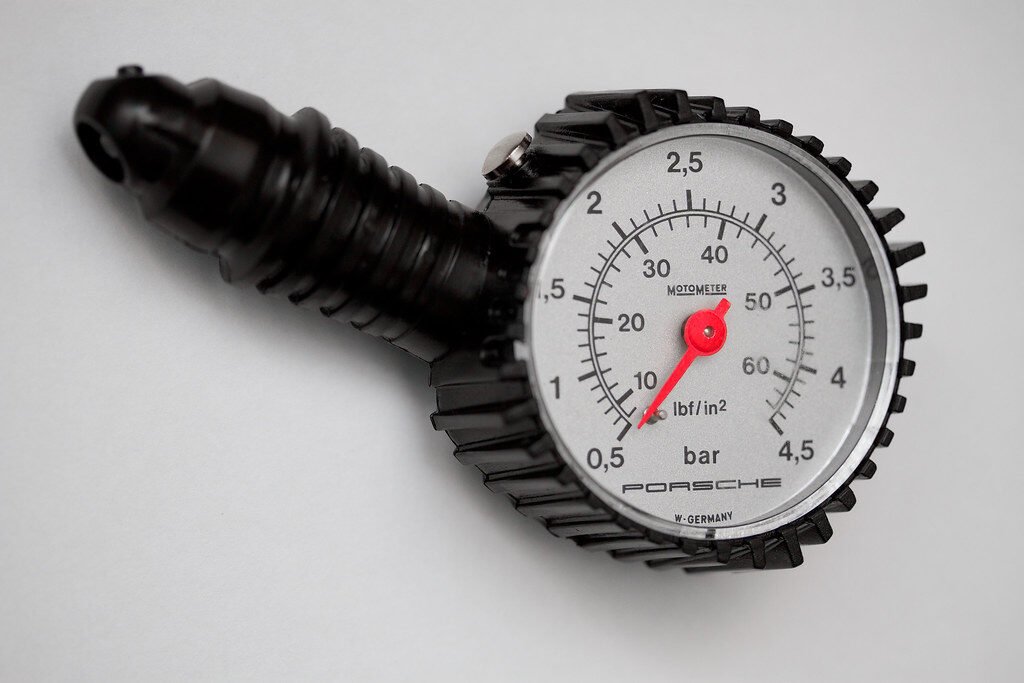
Tire pressure affects more than one dashboard light. It changes how your vehicle handles, how evenly your tires wear, how efficiently it uses fuel, and how confidently it stops in changing road conditions. A simple pressure check is one of the easiest ways to protect both safety and tire life.
Why Tire Pressure Matters
When pressure is too low, the tire flexes more than it should and builds extra heat. That can lead to faster wear, weaker handling, and a greater chance of damage. When pressure is too high, the tire may ride harsher and wear more quickly through the center of the tread.
Low Pressure Can Affect Safety and Tire Life
Underinflated tires often wear faster on the shoulders, reduce steering precision, and may increase stopping distance in wet conditions. Left unchecked, low pressure can also lead to overheating, especially during highway driving.
Weather Changes Tire Pressure
Pressure changes as temperatures rise and fall, which is why a vehicle that felt fine last week may show a warning light after a cold snap. Checking pressure regularly is more reliable than waiting for a warning light alone. If your dashboard light is already on, read our guide on what the TPMS light means.
Use the Recommended Pressure for Your Vehicle
The correct pressure is typically listed on the sticker inside the driver-side door jamb, not the maximum number printed on the tire sidewall. Using the vehicle recommendation helps balance comfort, wear, and performance.
When to Have It Checked
If your TPMS light comes on, your vehicle feels different on the road, or you have not checked pressure in the last month, it is a good time for a quick inspection. A small air-loss issue can turn into uneven wear or a roadside problem if ignored.
At Payless Tire in Tappahannock, we help drivers check pressure, diagnose TPMS concerns, and make sure their tires are set up for safe, even wear. Quality service starts with the basics done right. You can learn more on our services page or contact us for help.